The socialisation window
Between about 3 and 14 weeks (the Australian Veterinary Association's range; the RSPCA puts it as wide as 3–17 weeks), puppies are naturally curious, bounce back from scares quickly and are keen to approach new people, animals and things. That makes it the easiest time for them to learn that the world is safe.
The RSPCA says a puppy's experiences in this period shape their mental health and behaviour into adulthood. The AVA warns that poor socialisation can leave dogs fearful of people, other animals and their environment, a common root of problem behaviour later on.
Socialising before vaccinations are finished
Puppy vaccinations usually start at 6–8 weeks, with boosters every 2–4 weeks until your puppy has had at least three and is at least 16 weeks old (RSPCA Australia). That means the socialisation window closes before your puppy is fully protected, so it's a balance.
- The AVA says socialisation should still happen during this time, and with sensible precautions the benefits can outweigh the risks.
- AVSAB (the American Veterinary Society of Animal Behavior) goes further: socialising before full vaccination should be the standard of care.
- Safe options early on: puppy preschool in a clean indoor setting, and visits with healthy, fully vaccinated dogs at home.
- Hold off on dog parks and areas used by dogs of unknown health until your vet says your puppy is protected. Carry your puppy past busy dog areas.
A study of puppy classes found none of 279 vaccinated puppies attending was diagnosed with parvovirus. Always check the plan with your own vet.
How to socialise well
- Let your puppy set the pace. The AVA says puppies should be allowed to experience the world at their own pace and must not be forced into interactions, which can make fear worse.
- Keep it short and positive. Short sessions with plenty of rest. Pair each new experience with something your puppy loves: food, pats, praise or play.
- Start at a distance. Let your puppy approach new things in their own time. For things that move and make noise, introduce the sight first, then the sound, then the movement.
- Avoid "flooding". Throwing a puppy in the deep end to "get used to it" backfires. Gradual exposure, with the option to walk away, keeps them feeling safe.
- Use reward-based training only. AVSAB recommends reward-based methods and says aversive methods shouldn't be used.
- Mix it up. Different people, friendly dogs, surfaces, sounds, car trips and quiet visits to new places.
Signs your puppy is scared or stressed
The RSPCA lists these signs of fear: a low body or head, tail tucked under, ears back, yawning, lip licking, looking away or lifting a front paw. Cowering, hiding, trying to run away or snapping mean your puppy is stressed.
If you see them, calmly create distance and let your puppy recover, then end on a good note. If fear isn't easing over time, talk to your vet early.
Choosing the right playmates
Vets at Ohio State University put it well: the best play pal for a puppy is a mature, friendly adult dog that enjoys play but won't tolerate too much mouthing or jumping. A quick bark or air snap to set a boundary is fine. If an adult dog avoids your puppy, growls or plays too roughly, step in.
Size matters too. Classes are advised to manage size differences that can frighten smaller puppies, and research on dog bites found small dogs (10 kg or under) were the most common victims. That's one reason we match our groups by size and temperament.
How we help puppies settle in
Puppies at My Dog Walker
- It starts with a free meet & greet, where we talk through your puppy's age, vaccinations and what they're ready for.
- New pups join at their own pace. They get time to settle, sniff, watch and explore, never thrown in the deep end.
- Small, size-matched groups of no more than 4 dogs per walker, with calm regulars who help newcomers feel welcome.
- Positive reinforcement on every walk, and gentle support for anxious pups.
"My puppy joined Mireya's walks during her early learning stage, and it was the best decision. Mireya supported her through all the new experiences outdoors, always at her pace." Antonio, Google review
Frequently asked questions
When should I start socialising my puppy?
Straight away. The key window runs from about 3 weeks to roughly 12–16 weeks of age. Vets recommend starting safe, controlled socialisation before vaccinations are finished, while avoiding dog parks until your vet says your puppy is protected.
Can my puppy meet other dogs before all their vaccinations?
Yes, carefully. Healthy, fully vaccinated dogs at home and clean puppy classes are considered low risk. Avoid dog parks and areas used by dogs of unknown health until your vet gives the all-clear.
When can my puppy go to the dog park?
Once your puppy has finished their primary vaccinations (at least three, at 16 weeks or older) and your vet says they're protected. Some vets suggest waiting 10–14 days after the last vaccine.
How do I know if my puppy is scared?
Look for a low body, tucked tail, ears back, yawning, lip licking, looking away or a lifted front paw. Cowering, hiding or snapping means they're stressed. Calmly create distance and let them recover.
Is it too late to socialise an older puppy or adult dog?
Dogs keep learning throughout life, but it takes more patience after the early window. Go slowly, keep experiences positive and talk to your vet or a qualified behaviourist if fear isn't improving.
Sources
- Australian Veterinary Association: Puppy and kitten socialisation and habituation
- RSPCA Knowledgebase: Is socialising my puppy important?
- RSPCA Australia: What you need to know about pet vaccinations
- RSPCA Knowledgebase: What vaccinations should my dog receive?
- AVSAB: Position statement on puppy socialization
- AVSAB: Humane dog training position statement (2021)
- Ohio State University: Balancing puppy socialization with infectious disease prevention
- Stepita et al. (2013), Puppy socialization classes and parvovirus risk, JAAHA
- RSPCA Knowledgebase: What does my dog's body language mean?
- Shamir et al. (2002), Dog bite wounds in dogs and cats
This guide is general information, not veterinary or legal advice. Rules can change, so check signage and your council's website, and speak to your vet about your own dog.
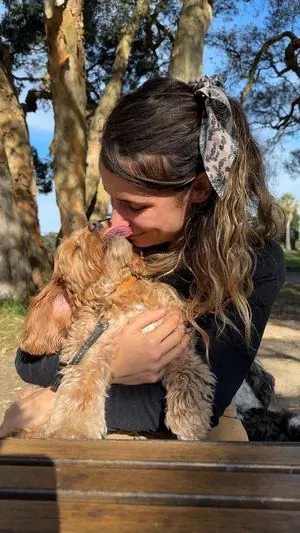
Mireya GonzalezFounder of My Dog Walker. Mireya has run small-group walks, adventure days and dog sitting for small and medium-sized dogs in Sydney's Eastern Suburbs since 2022. Meet Mireya →